Jun 28, 2026 | Uncategorized
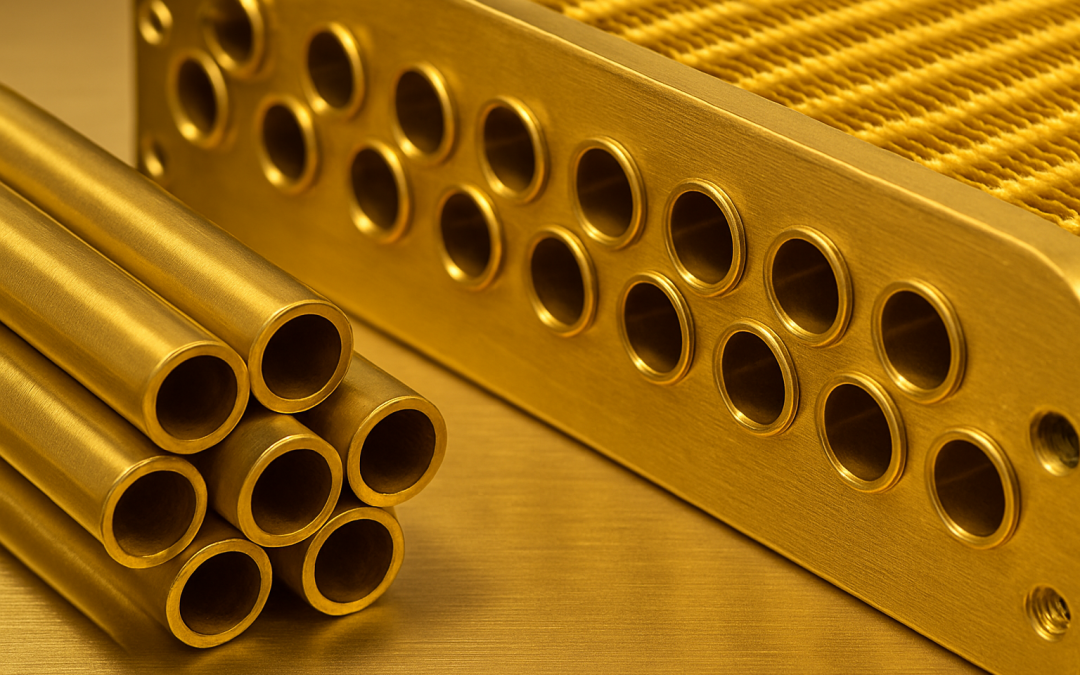
Key points Aluminum brass (UNS C68700) is a copper-zinc alloy with 1.8–2.5% aluminum and 0.02–0.06% arsenic, conforming to ASTM B111 The aluminum addition forms a self-healing oxide film that resists impingement attack in high-velocity seawater C68700 outperforms...
May 10, 2026 | Uncategorized
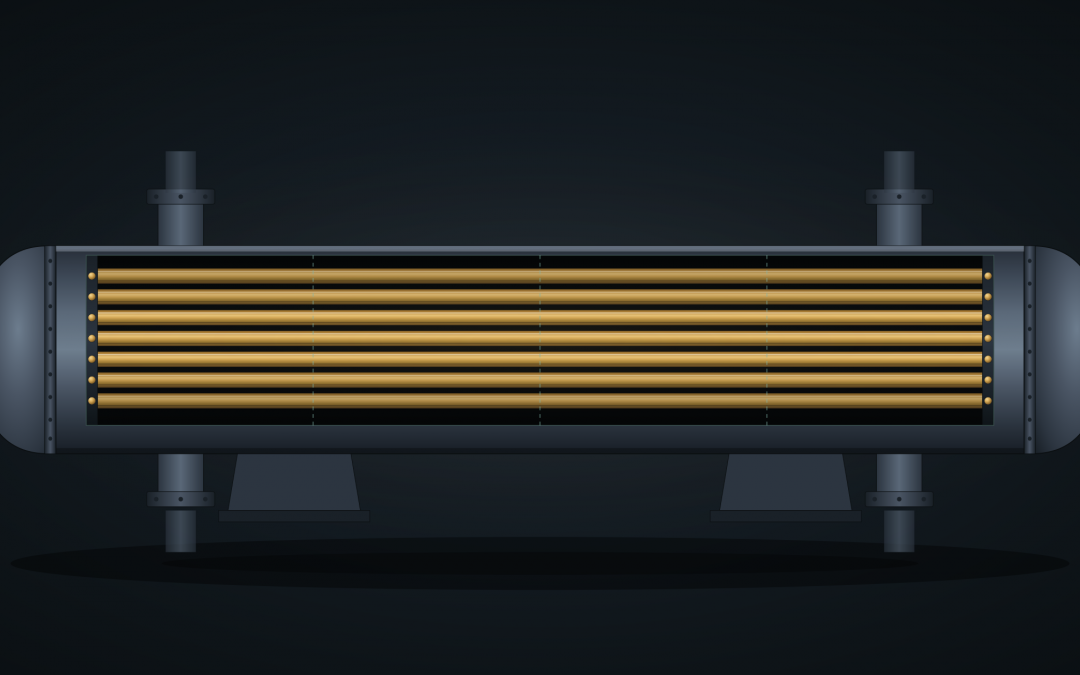
Key points Heat exchanger maintenance is the difference between a unit that meets its design duty for 20 plus years and one that loses 15 to 30 percent of its capacity within a few cycles. The work breaks down into four disciplines: monitor performance against...
Apr 23, 2026 | Uncategorized
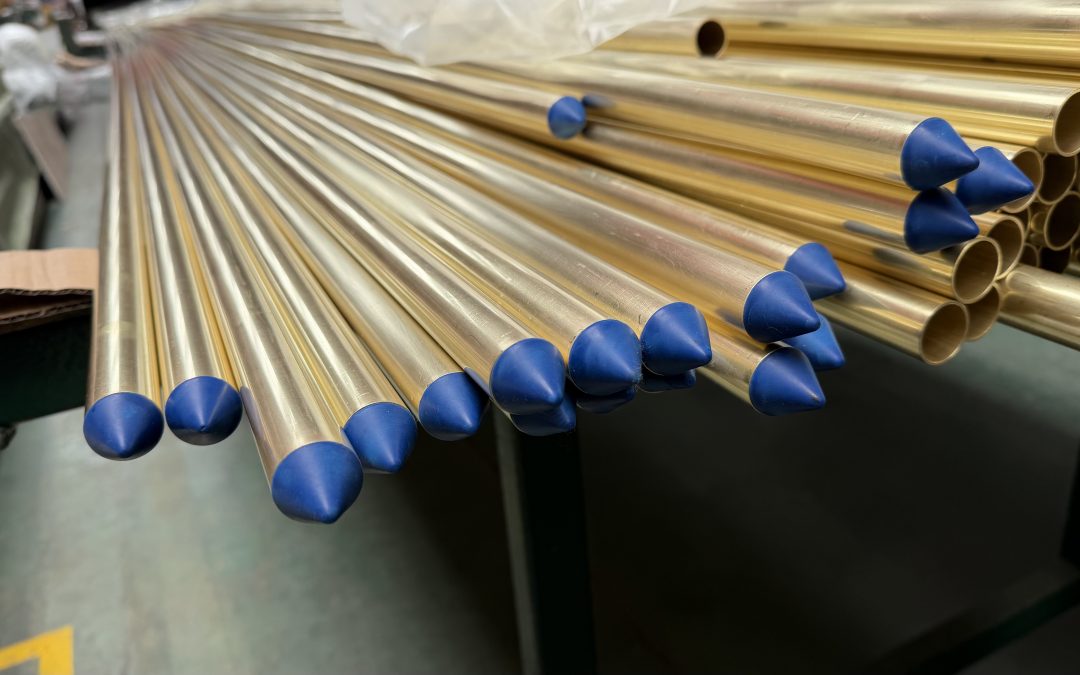
CASE STUDY: Key Insights Admiralty Industries executed a nuclear-grade condenser retubing project with full process validation, ensuring consistency across high-volume production. A structured approach combining pre-production qualification, controlled manufacturing,...
Apr 2, 2026 | Uncategorized
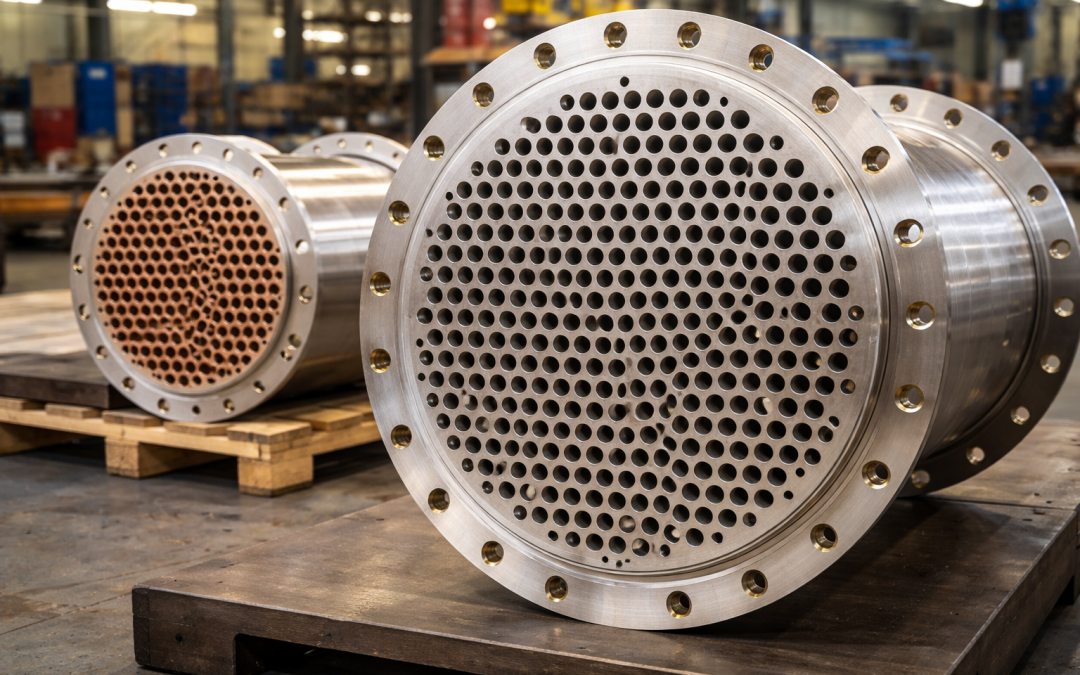
Key points A tubesheet is the structural plate that holds and seals heat exchanger tubes It ensures fluid separation and acts as a pressure boundary Material selection is critical to prevent corrosion and failure Common issues include corrosion, galvanic damage, and...
Mar 14, 2026 | Uncategorized
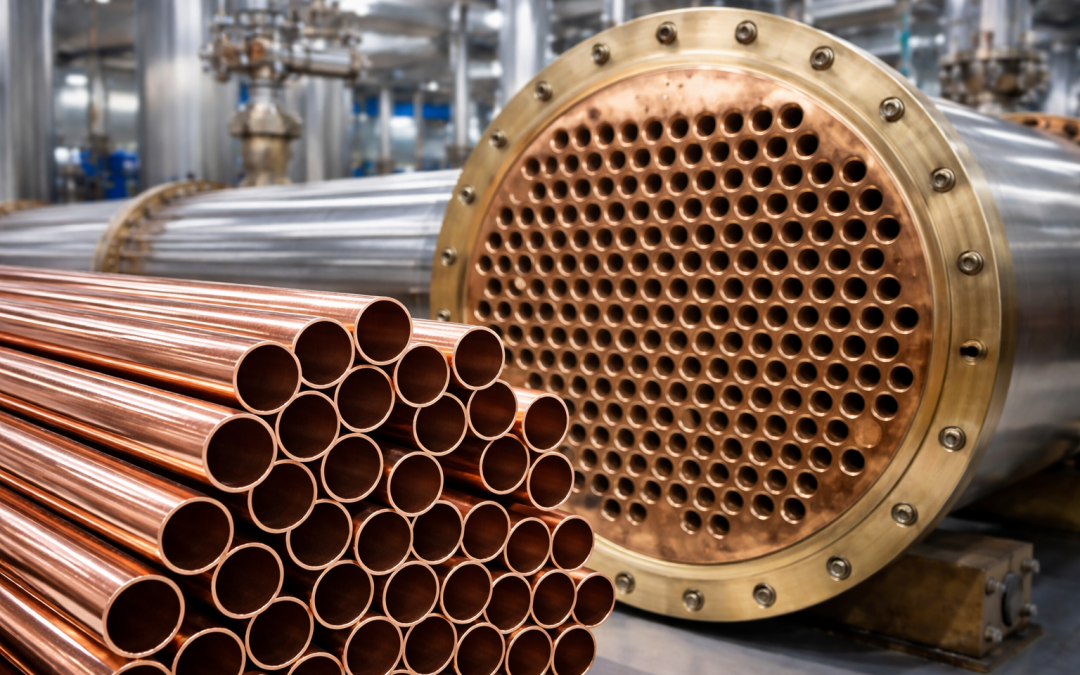
Key points Heat exchanger tube materials must balance thermal conductivity, corrosion resistance, and mechanical strength. Copper alloys are widely used in power plants, marine cooling systems, desalination plants, and industrial heat exchangers. Aluminum brass and...
Feb 21, 2026 | Uncategorized
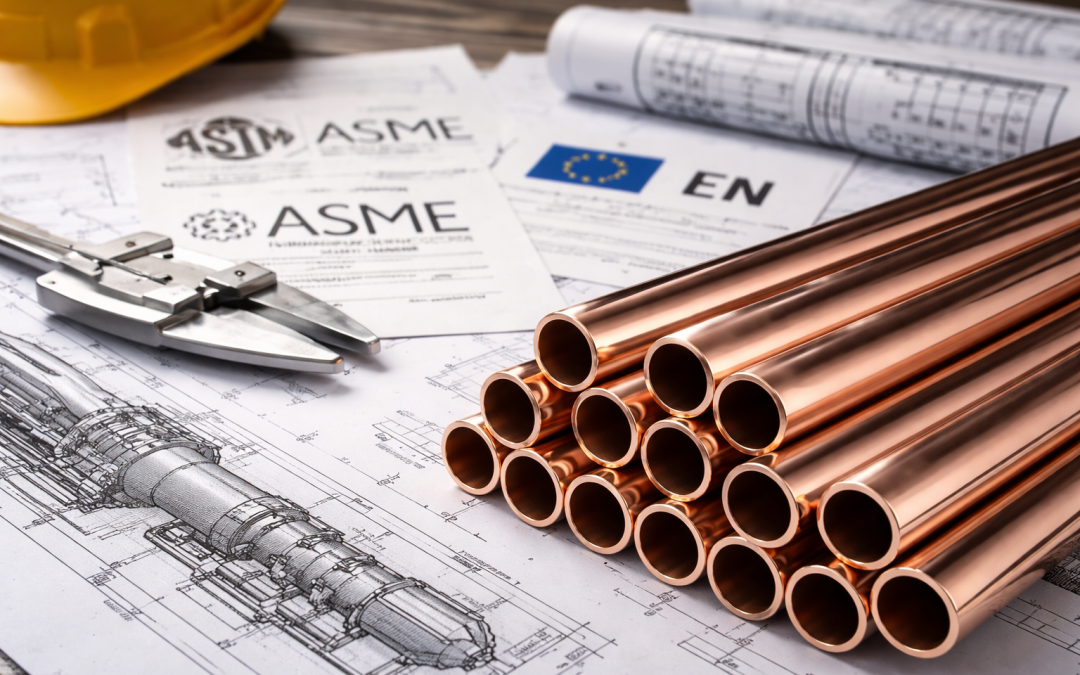
Key points ASTM, ASME, and EN standards define material properties, inspection requirements, and documentation for industrial tubing. In regulated sectors such as power, petrochemical, and marine, compliance with the correct standard determines project approval and...
