by Emma Moletto | Jun 27, 2025
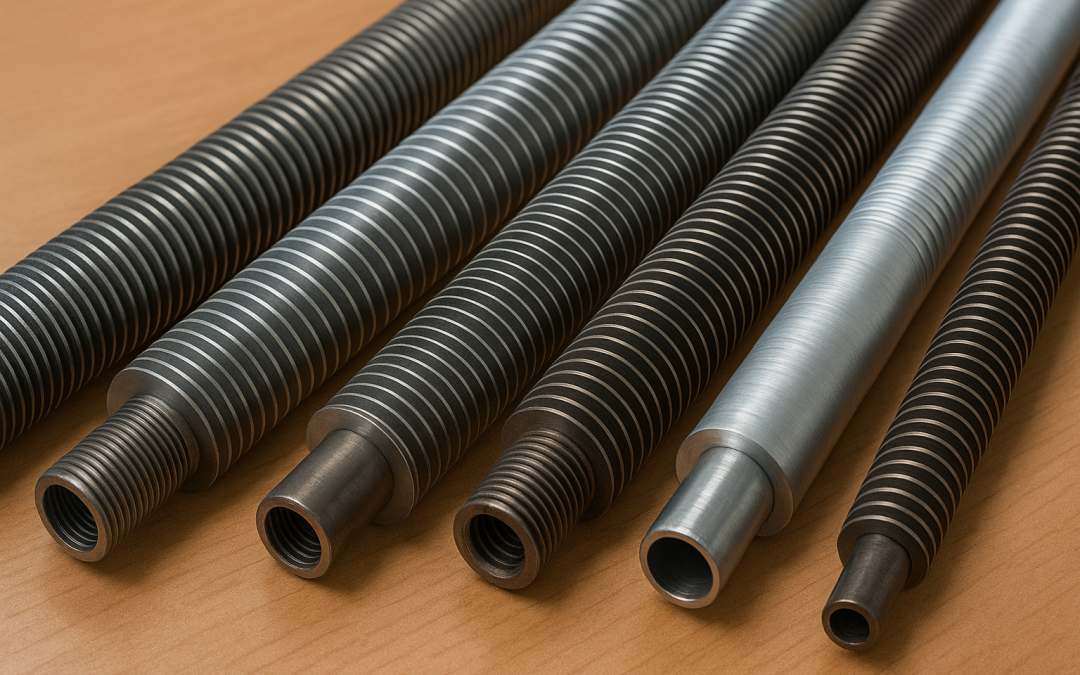
Key points Finned tubes increase heat transfer efficiency by adding external surface area. There are 8 main types of finned tubes: G-Fin, L-Fin, KL-Fin, LL-Fin, Crimped, Extruded, Integral Low-Fin, and Welded. Each type differs in construction method, temperature...

by Emma Moletto | Jun 7, 2025
Key points Electrical sector (~35 %): Dominates demand with busbars, connectors, transformer cooling coils, and grounding systems—leveraging copper’s unmatched electrical conductivity and reliability. Transportation (~25 %): Used in automotive and EV radiators,...

by Emma Moletto | May 24, 2025
Key takeaways Exceptional dezincification-resistant brass composition for reliable marine and industrial performance. Optimal balance of mechanical strength (310–380 MPa) and thermal conductivity (110 W/m·K) for heat exchanger tubing. Proven lifecycle cost savings...

by Emma Moletto | May 14, 2025
Key takeaways CuNi 90/10 is cost-effective and offers good corrosion resistance and thermal conductivity — ideal for standard marine piping and heat exchangers. CuNi 70/30 provides higher strength and superior resistance in aggressive or high-velocity seawater...

by Emma Moletto | May 9, 2025
Key takeaways Eddy Current Testing (ECT) is preferred over Hydrostatic Testing under ASTM B111 because it detects early-stage defects like cracks, corrosion, and thinning before a leak occurs, making it ideal for preventive maintenance. ECT is faster, non-destructive,...
